

Eleanor Yang
Visual Designer
Loopi
User Research, AR Interaction Design, AI Content Creation
14 Weeks
Personal Work
What if inclusion was part of the game, so every kid could play?
Loopi is a mixed reality system that makes inclusion instinctive. It turns play into empathy and chaos into connection, helping kids truly understand one another.
Loopi is a mixed reality system that makes inclusion instinctive. It turns play into empathy and chaos into connection, helping kids truly understand one another.
Loopi
User Research, AR Interaction Design, AI Content Creation
14 Weeks
Personal Work
What if inclusion was part of the game, so every kid could play?
Loopi is a mixed reality system that makes inclusion instinctive. It turns play into empathy and chaos into connection, helping kids truly understand one another.
Loopi is a mixed reality system that makes inclusion instinctive. It turns play into empathy and chaos into connection, helping kids truly understand one another.
Hypothesis
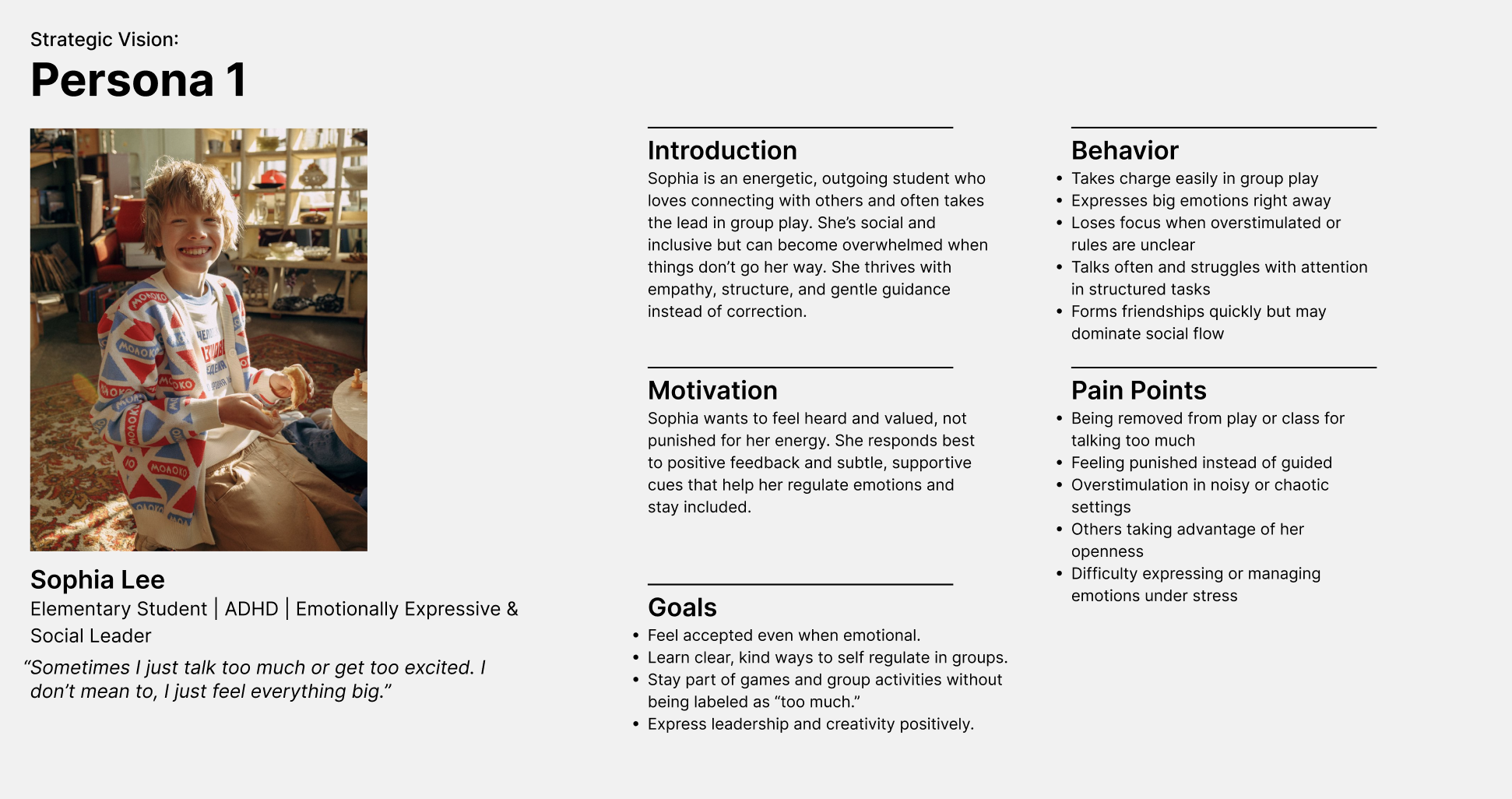
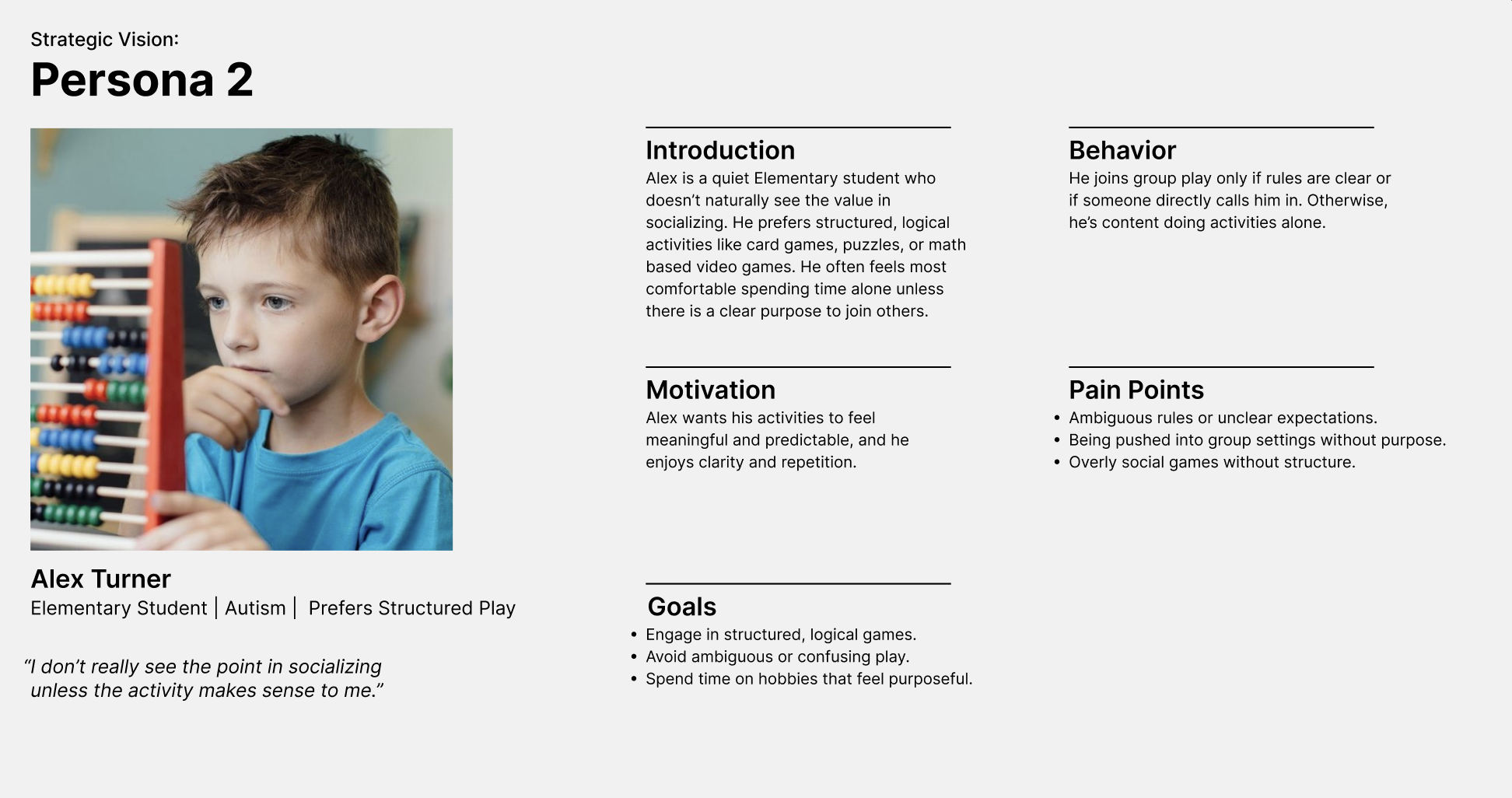
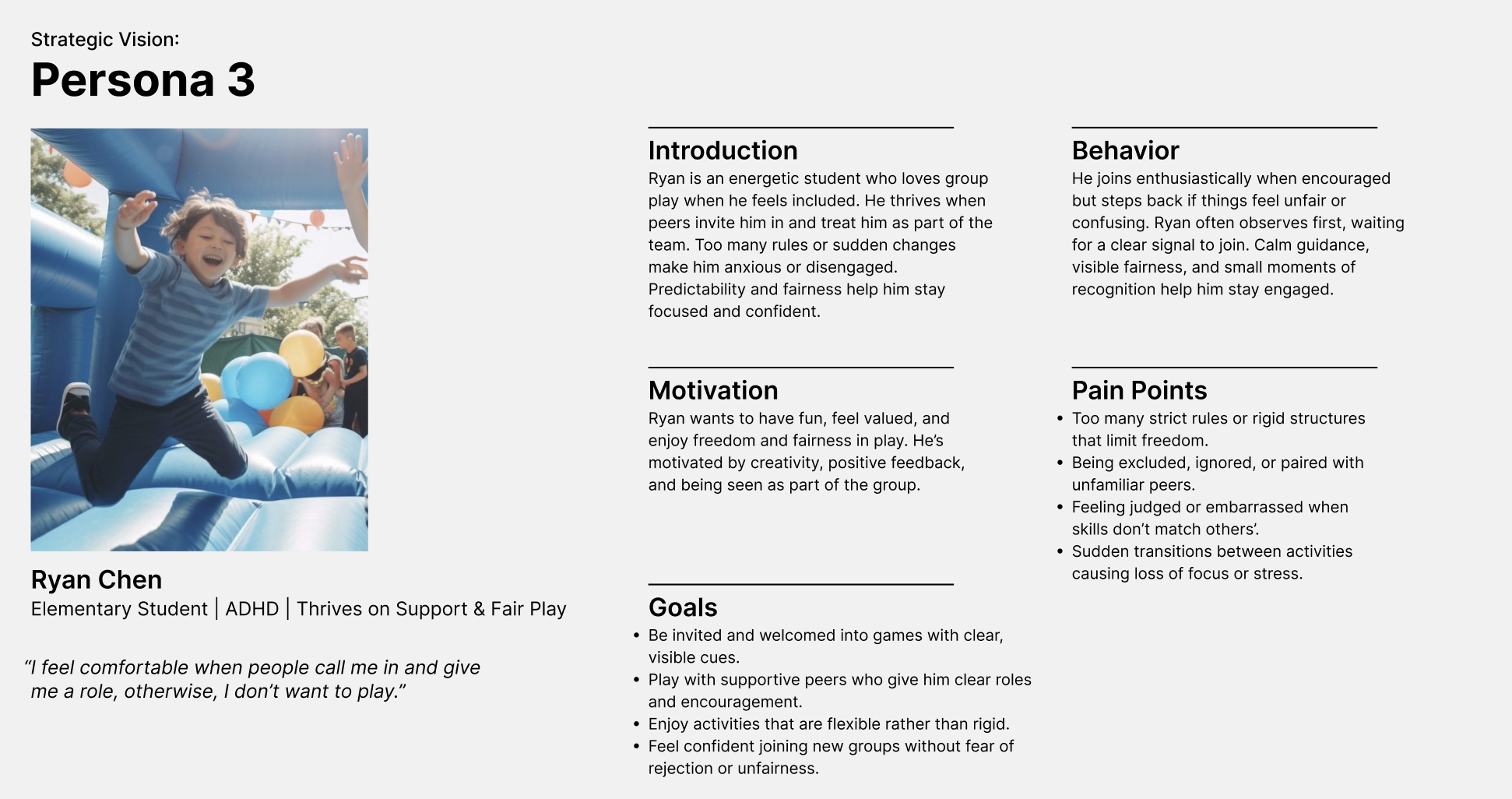
Group play can be confusing and unfair, especially for autistic and ADHD kids. This system adds clear cues, fair turns, and gentle guidance so kids join with confidence. Simple rituals make play safer, kinder, and more inclusive, building real friendships.
Strategy
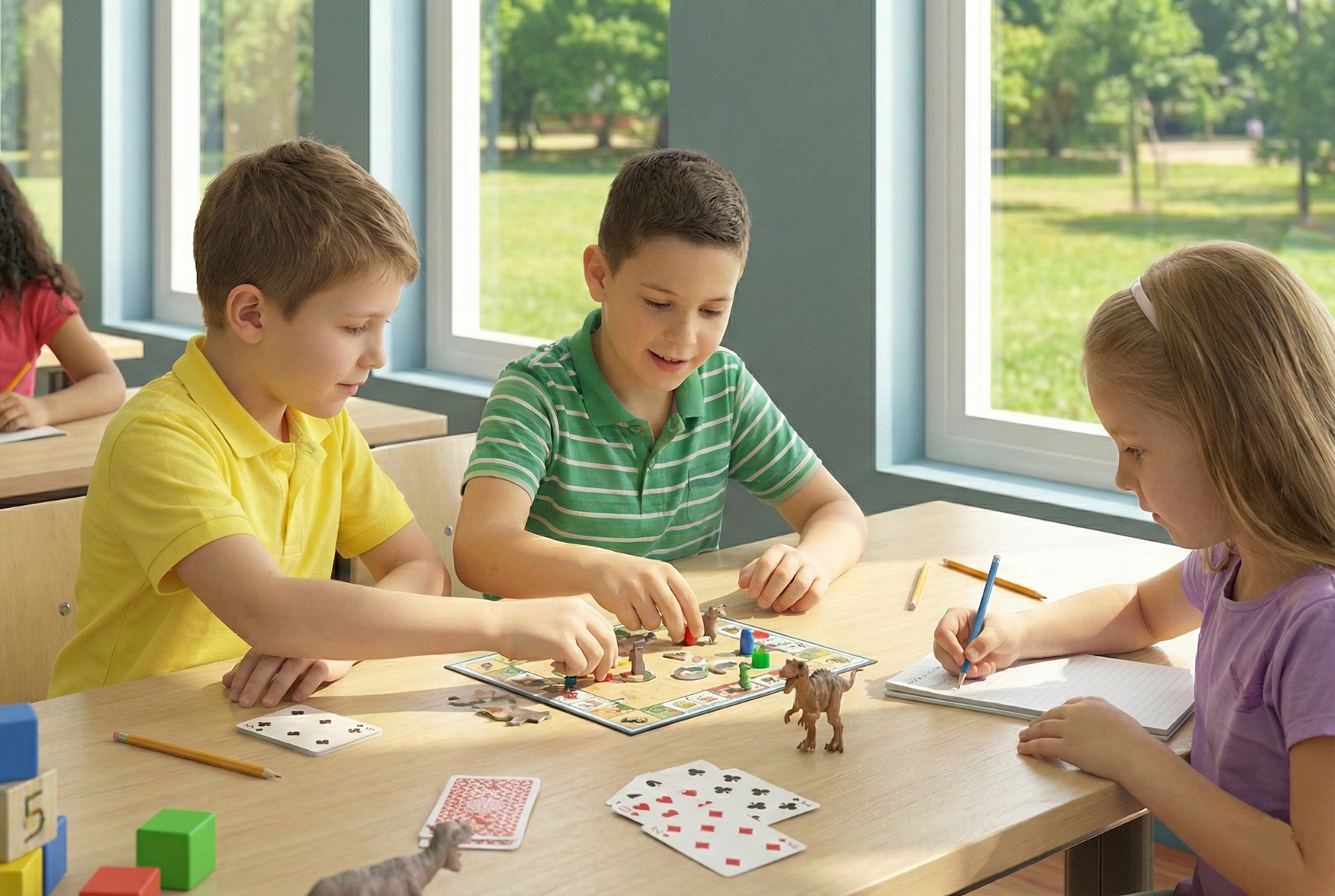
1) User: Play Kid
They use gaze and simple hand gestures with Loopi’s gentle cues to stay included, keep turns fair, and enjoy group play.
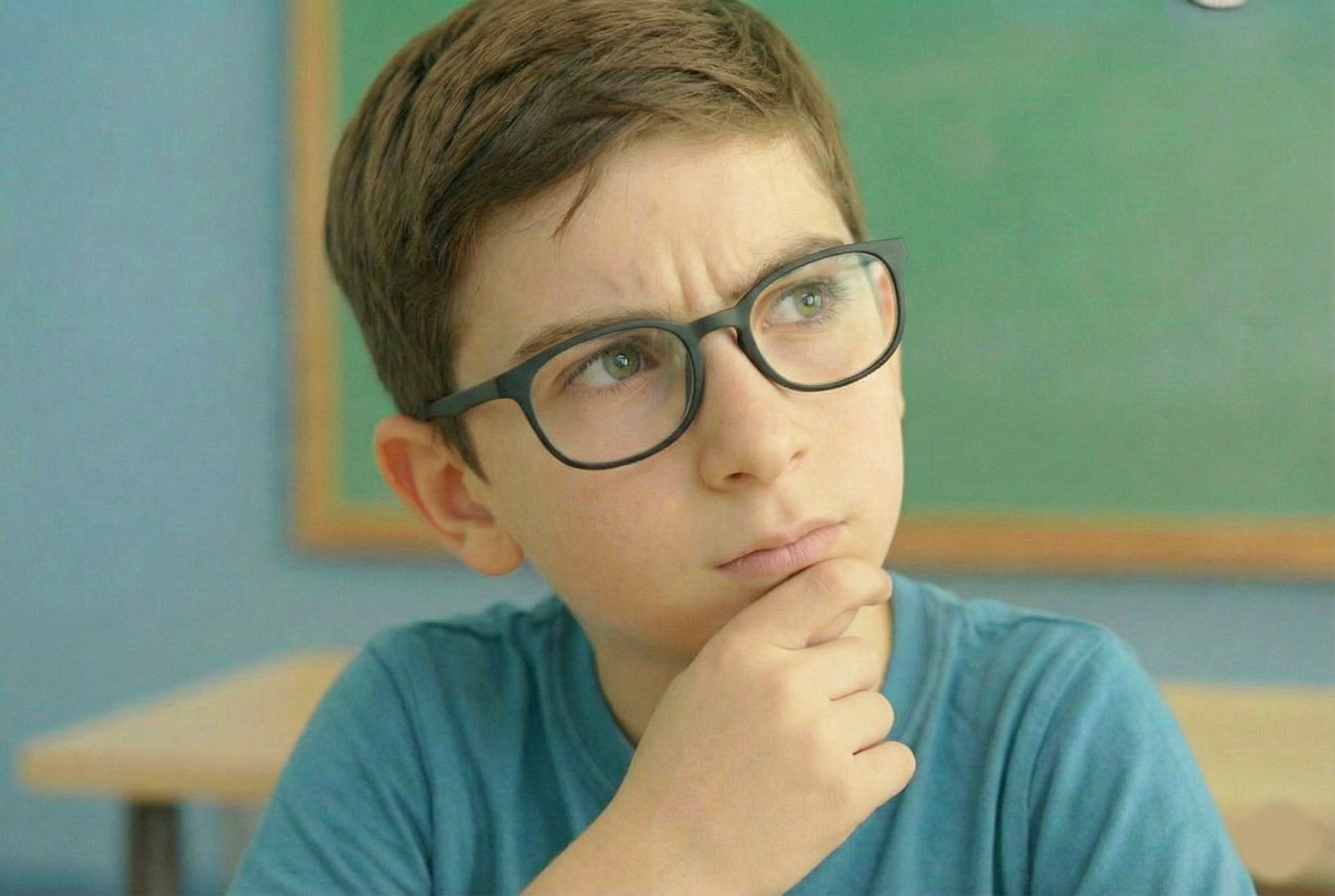
2) Reason: Why This Matters
Because in group play, autistic and ADHD kids are often left out by unclear rules and fast pace, they need gentle, in the moment AR cues that make turns clear and inclusion instinctive.

3) Pain Points
When rules are unclear or play feels unfair, kids (especially autistic and ADHD) slip to the edges. Loopi adds clear signals, fair turns, and soft guidance, turning tense moments into shared play.
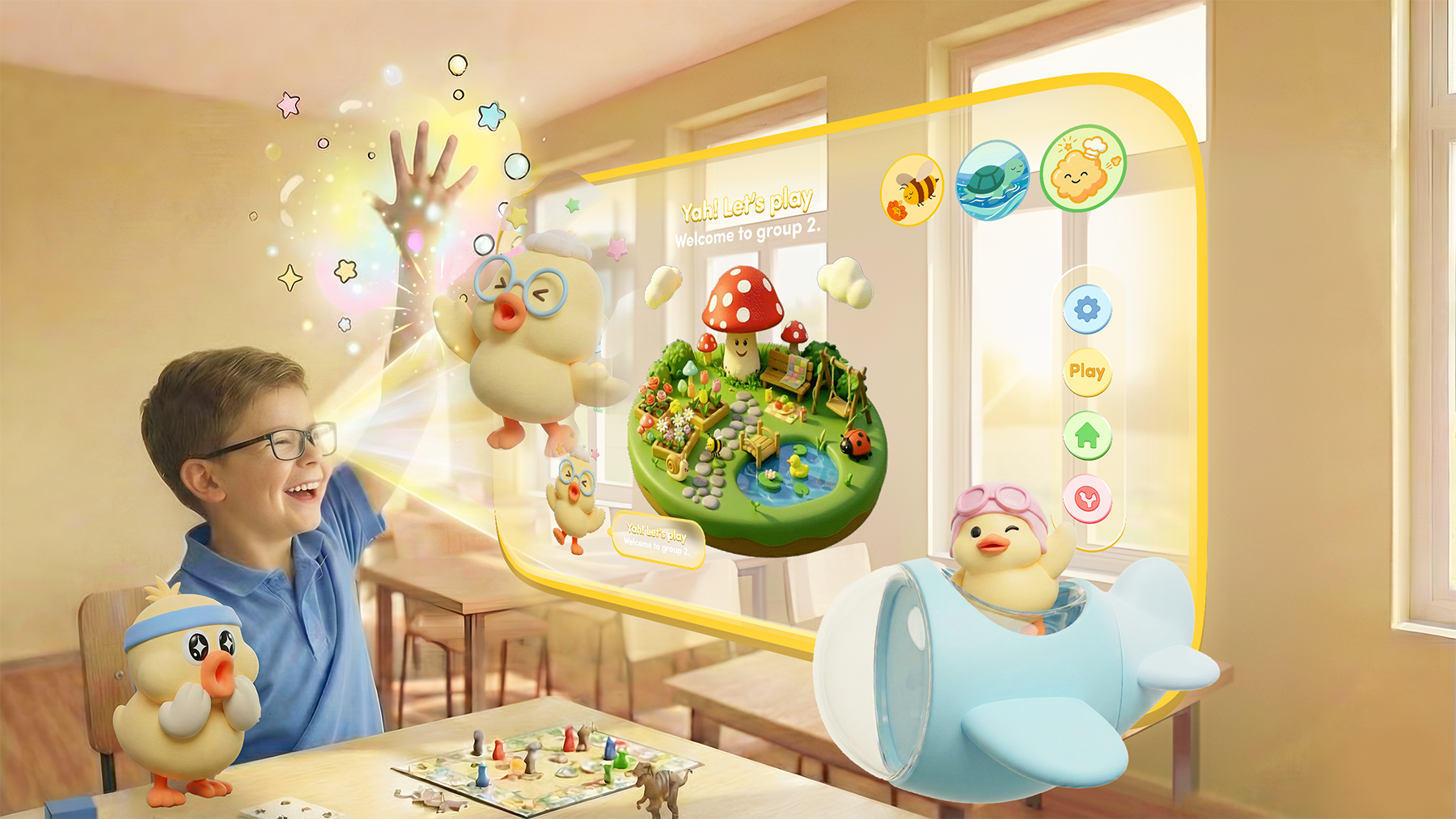
4) The Mission
The system makes inclusion instinctive. It turns play into empathy and chaos into connection, helping kids truly understand one another.
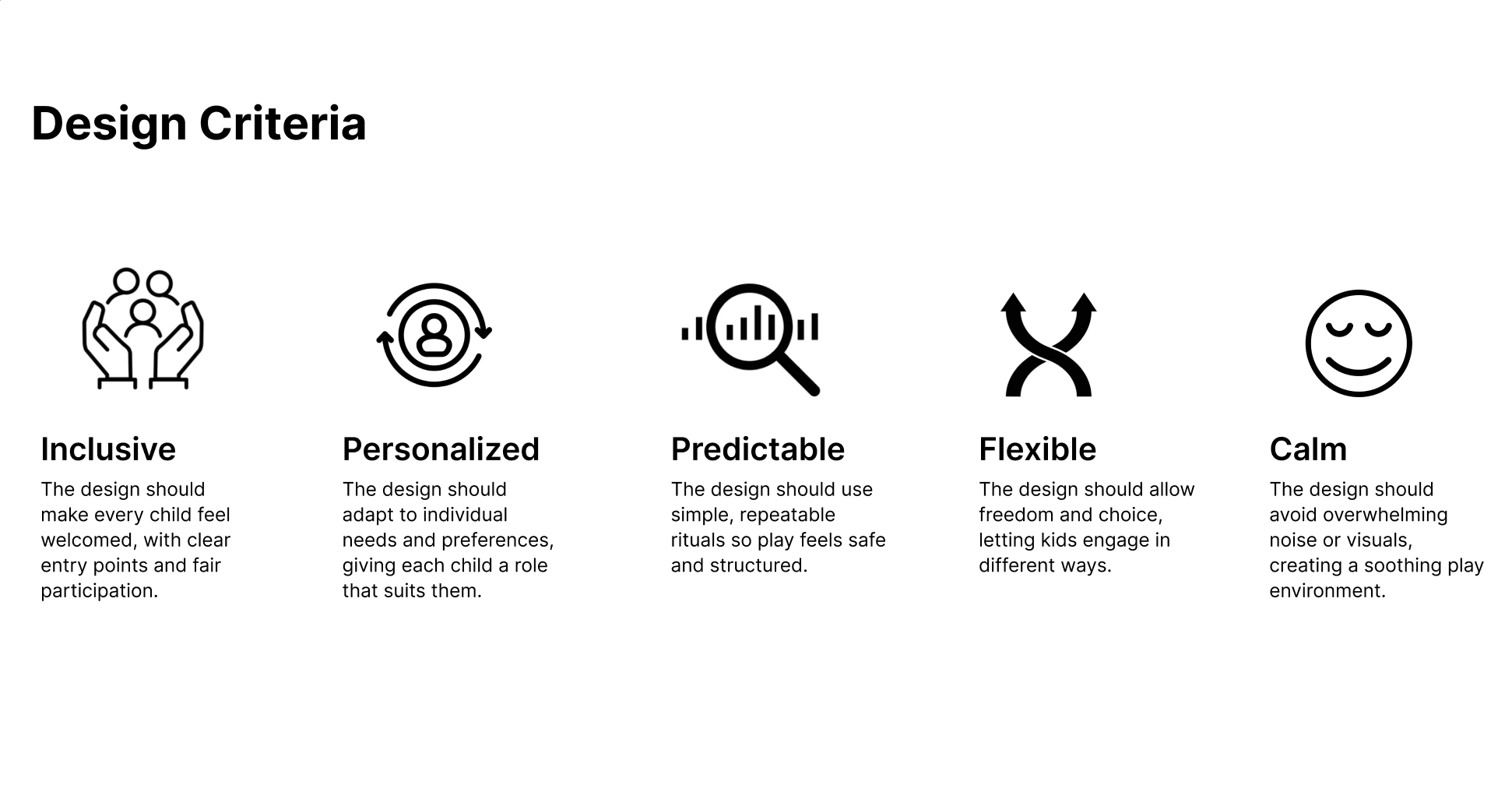
5) Design Criteria
The system feels warm, simple, and playful, like a quiet helper. Visuals are clean and calm, so cues are easy to spot and never overwhelming. It welcomes every kid in, helping kids relax, enjoy the game, and feel included together.
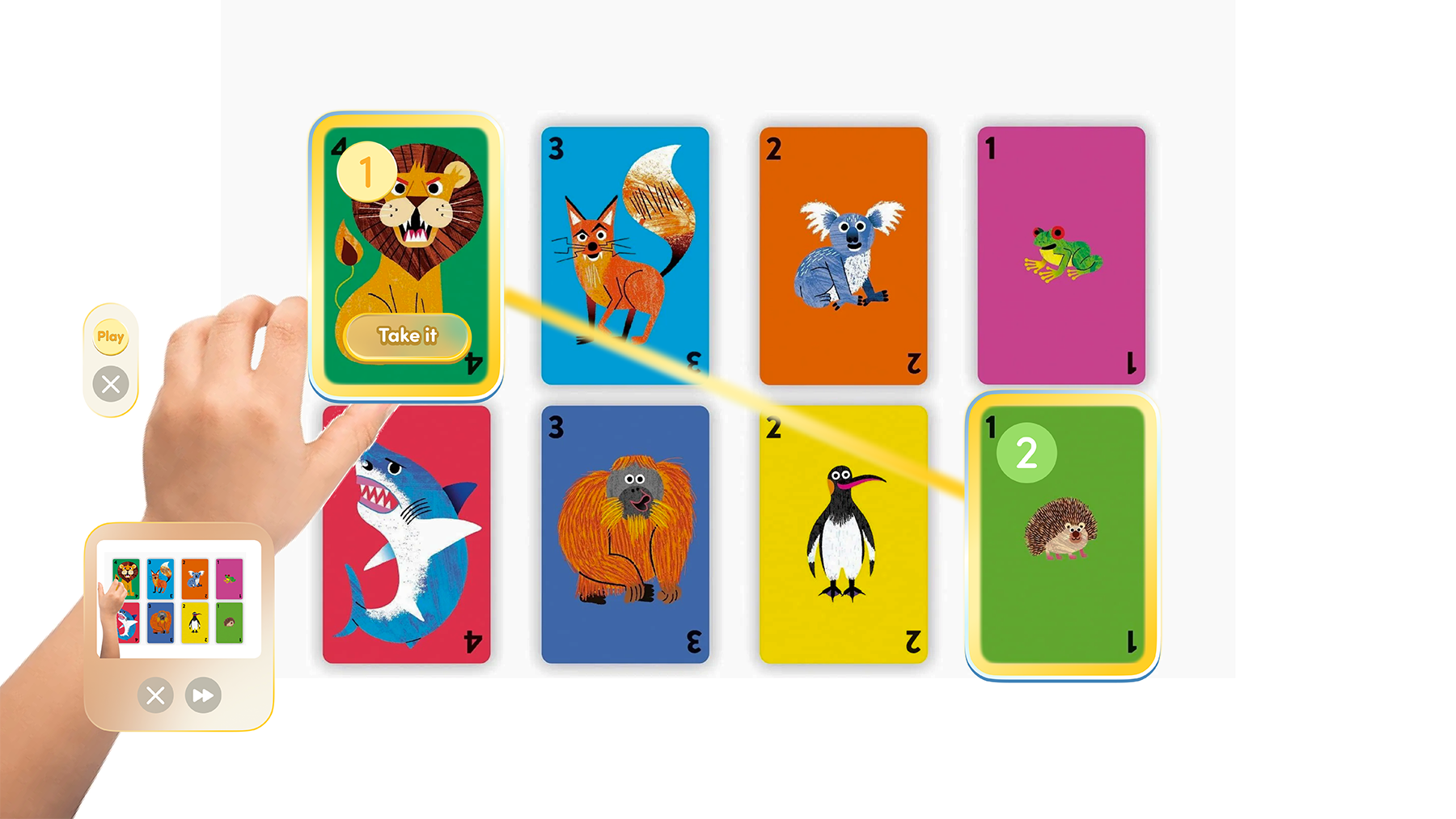
6) Design Rationale: Why AR for Inclusive Group Play
AR keeps guidance inside the play, where kids already look, using gaze and small gestures. Cues are private and minimal, so autistic and ADHD kids get help without extra noise or attention. It’s inclusive, low distraction support that keeps the game natural and fun for everyone.
Opportunities
Most inclusive play tools rely on adult led, structured activities. They teach skills but limit natural peer connection.
The system fills that gap, offering a peer led, lightly guided way to turn social tension into shared understanding.
The system fills that gap, offering a peer led, lightly guided way to turn social tension into shared understanding.
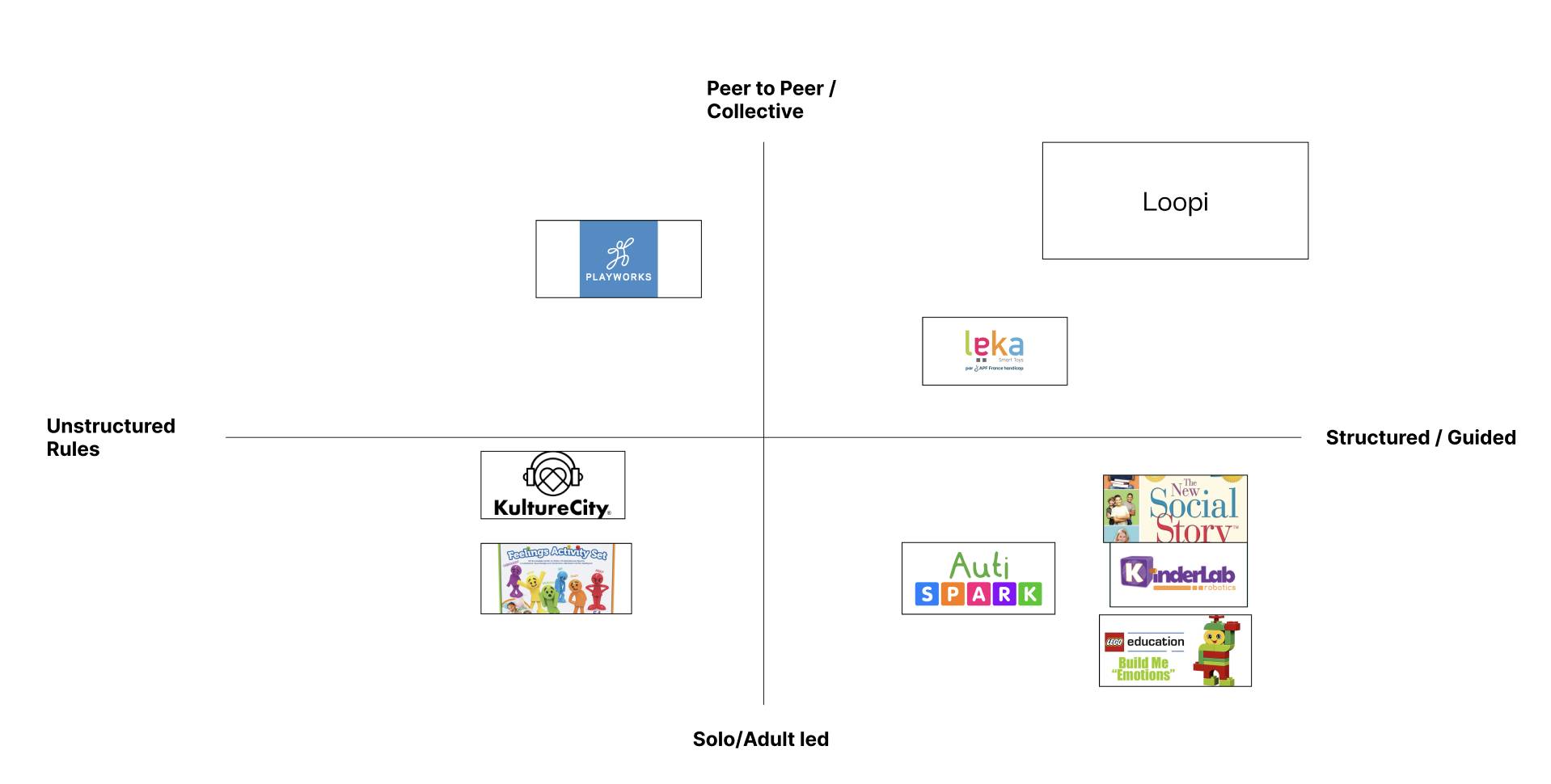
1) Trend: Assistive Tech & Ambient Interaction
2) Trend: Emotional Safety by Design
Background tech now guides us with small, timely cues. With wearables and sensors, guidance can be hands free and help appears. Loopi taps this shift, offering “just enough” signals that steer play without interrupting it.
Design now protects feelings as well as function, Loopi adds calm, repeatable cues so kids feel safe, included, and connected.
Solution
A Shared, Spatial Play Helper:
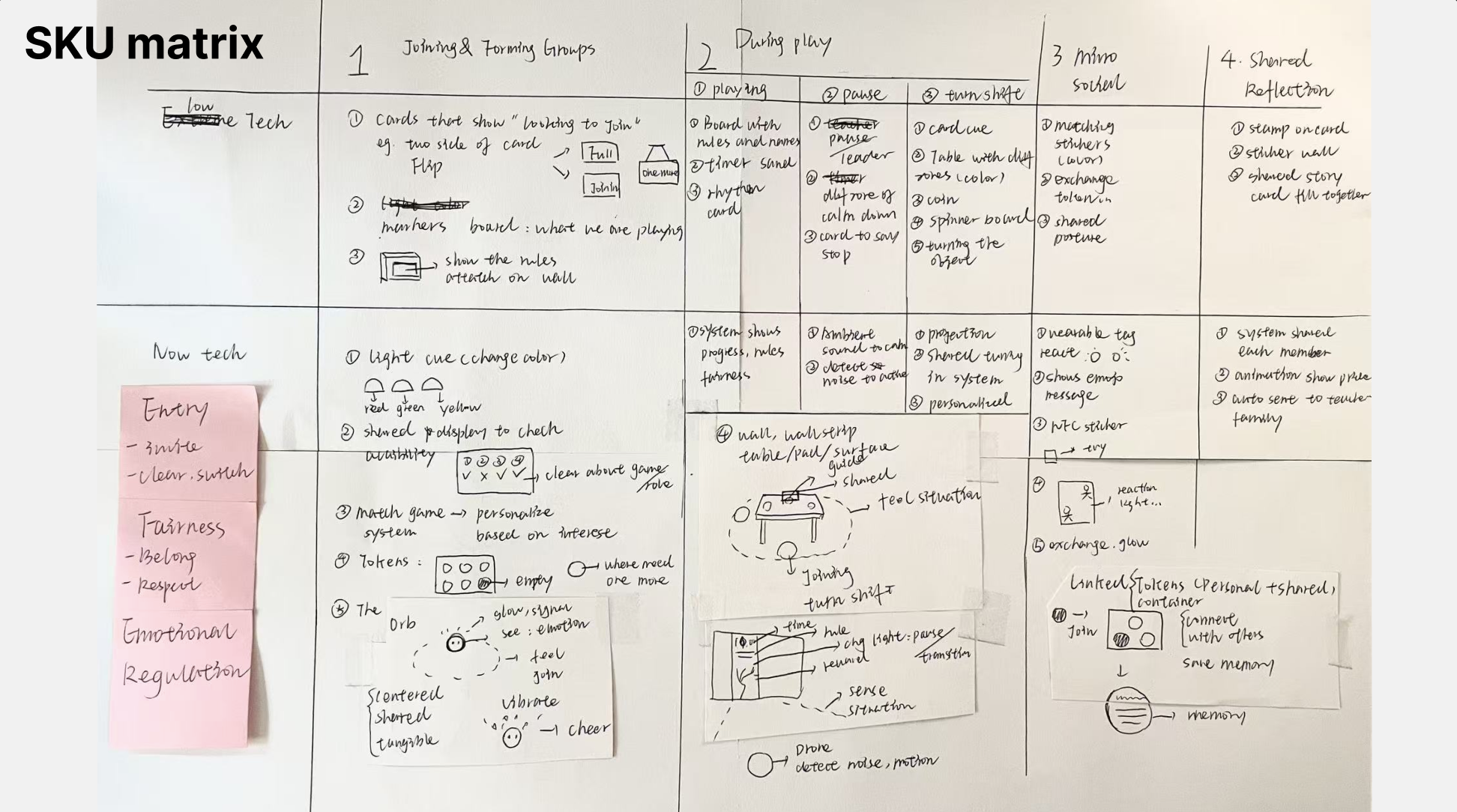
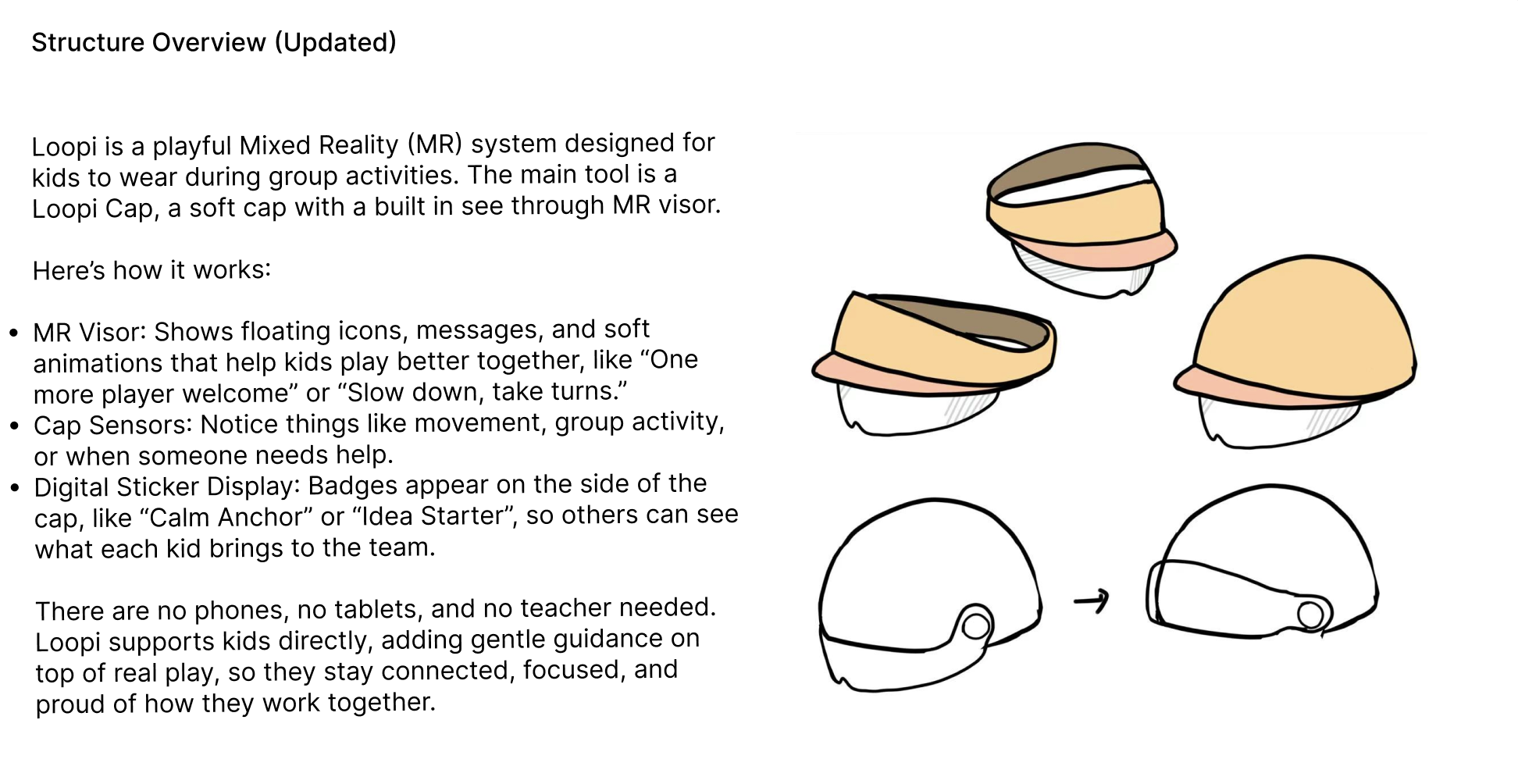
Loopi layers gentle AR cues directly on the play, so help appears where kids already look. Using gaze and tiny hand gestures, each child gets private, low distraction guidance, while the AI reads group rhythm and times support without stopping the game. The result is play that stays natural, fair, and inclusive, especially for autistic and ADHD kids who benefit from clear, minimal signals.
Loopi layers gentle AR cues directly on the play, so help appears where kids already look. Using gaze and tiny hand gestures, each child gets private, low distraction guidance, while the AI reads group rhythm and times support without stopping the game. The result is play that stays natural, fair, and inclusive, especially for autistic and ADHD kids who benefit from clear, minimal signals.
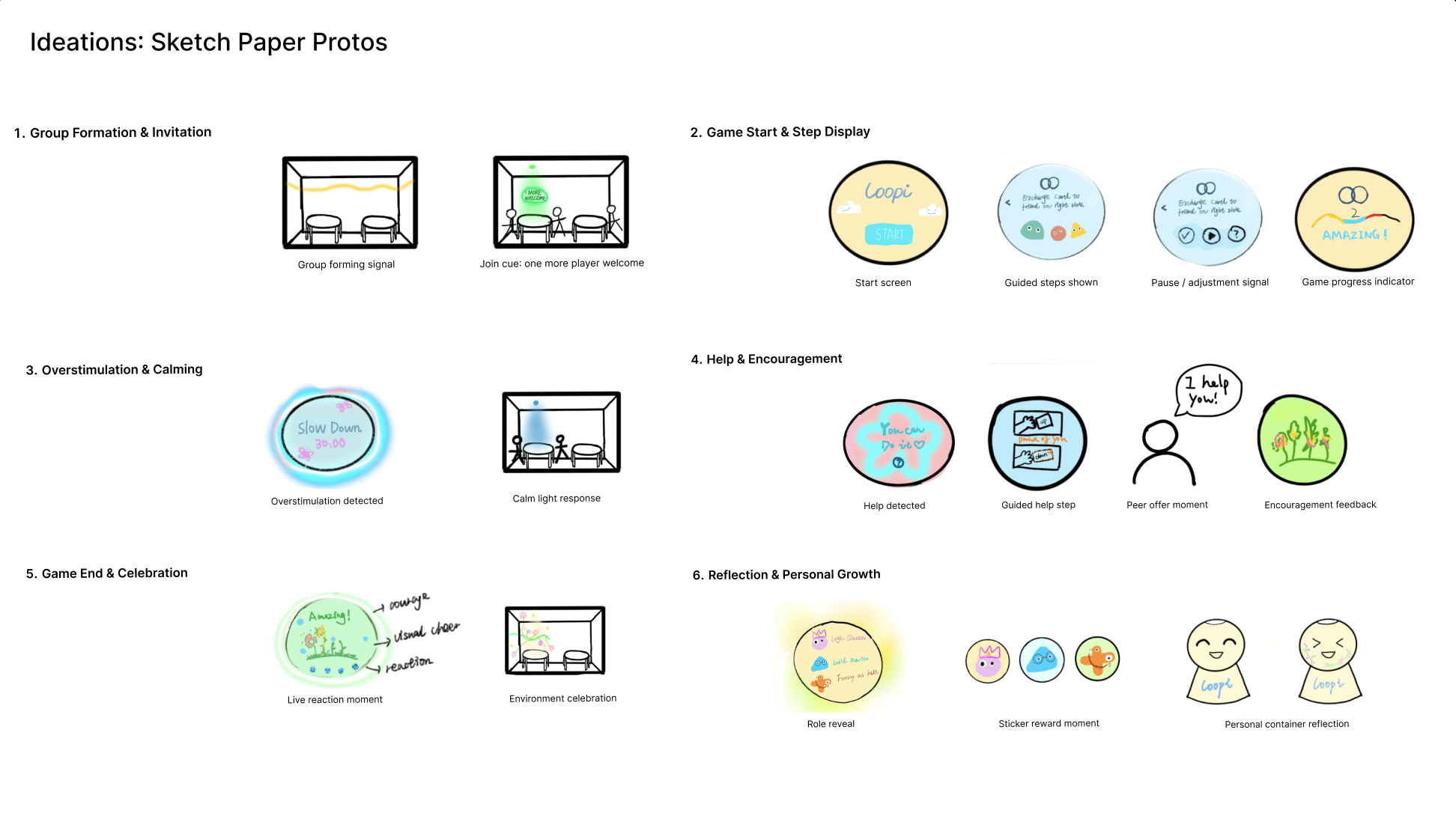
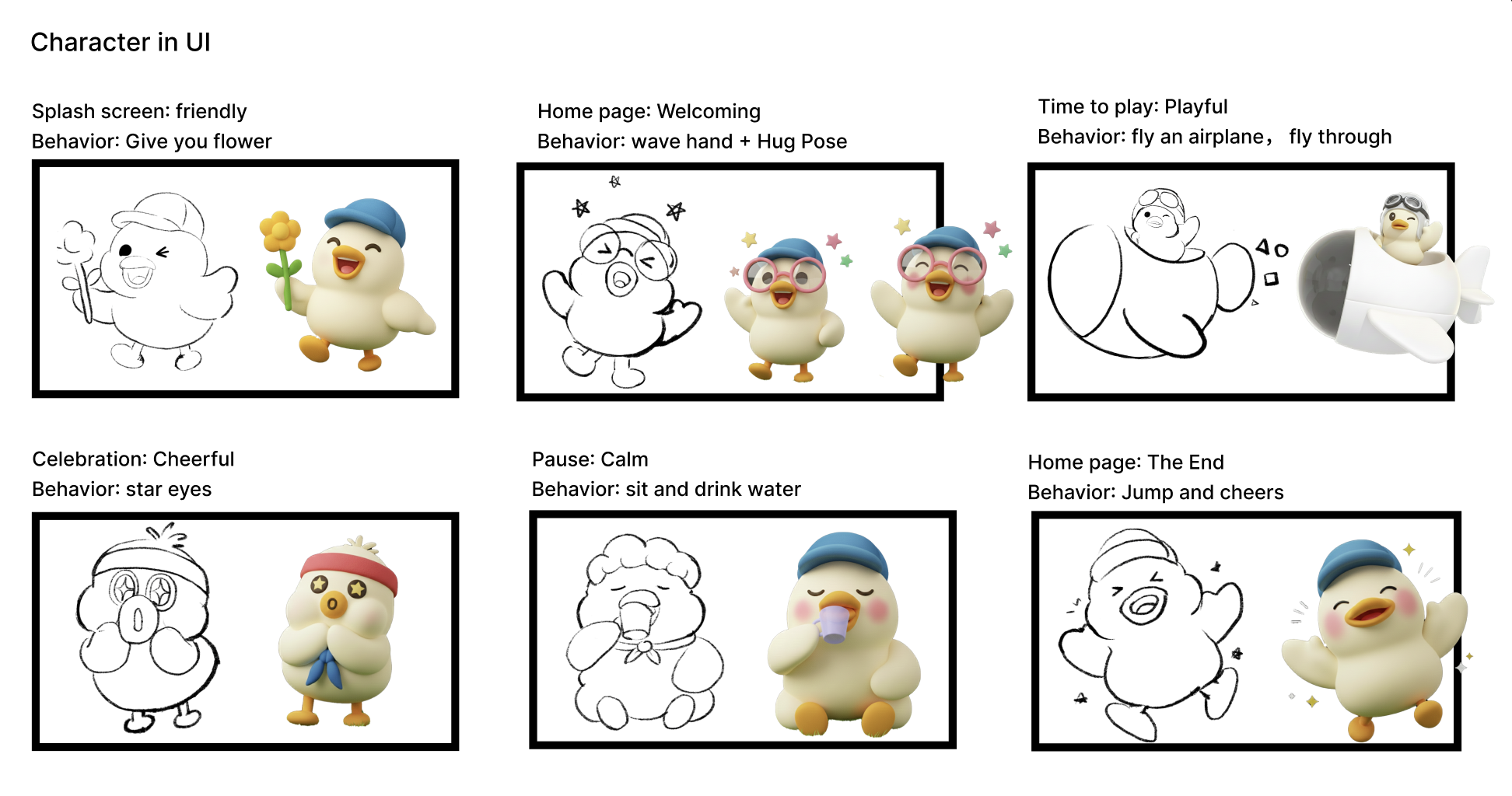
Interaction Flow
1) Onboarding
2) Joining Group
3) Game Start
4) Overstimulation Pause
5) Game End
6) Reflection Moment
7) Setting
Process
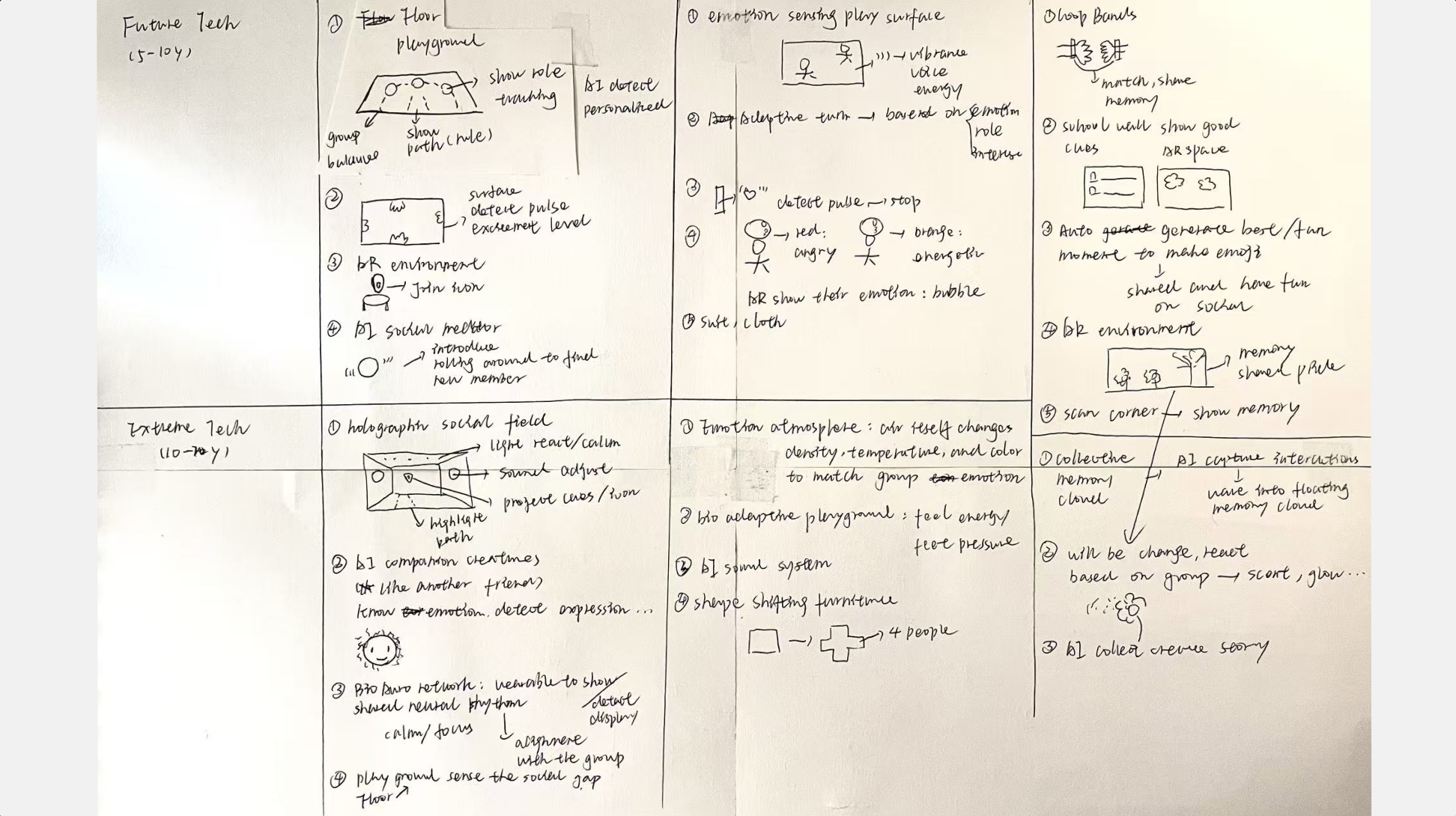
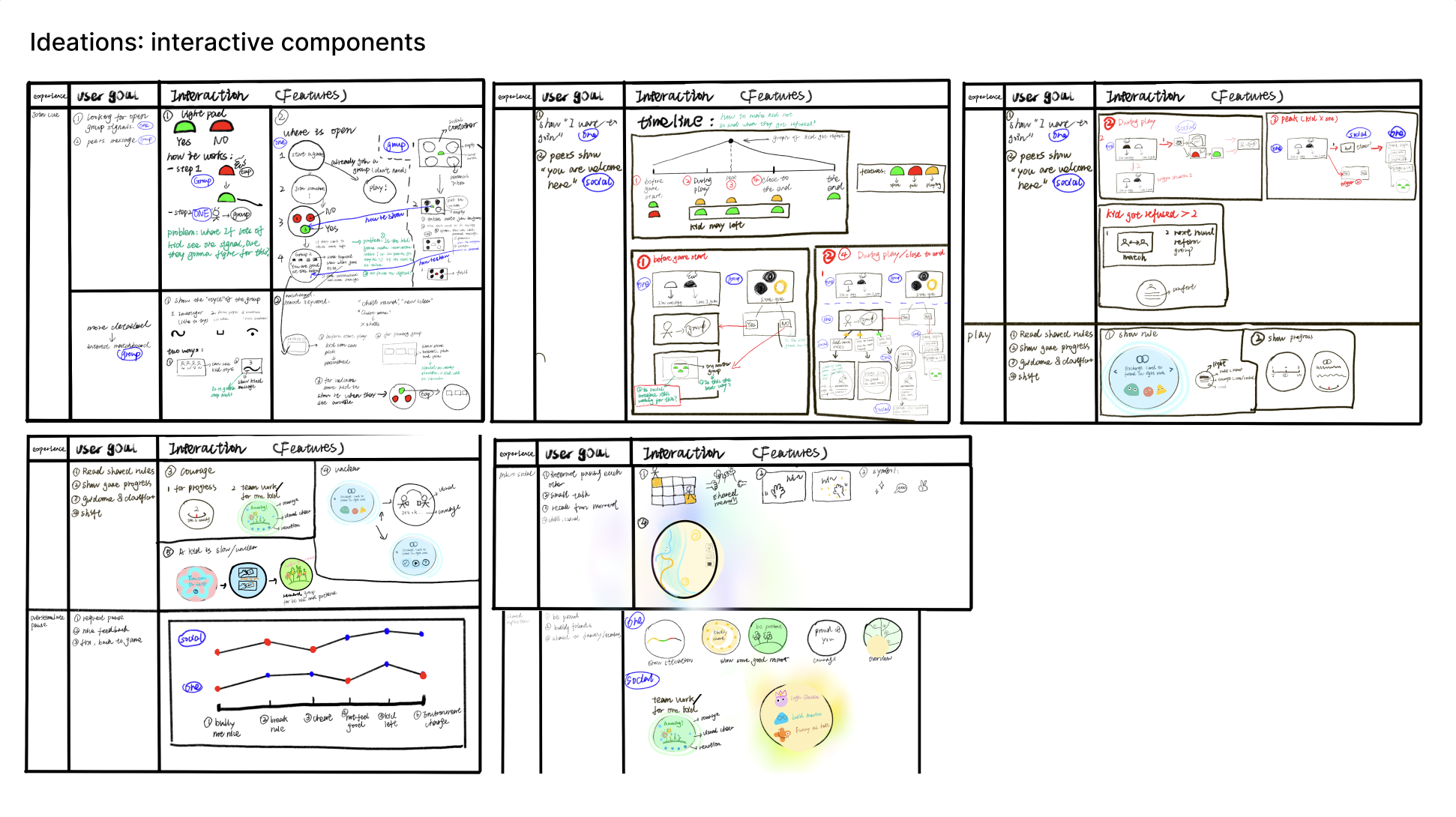
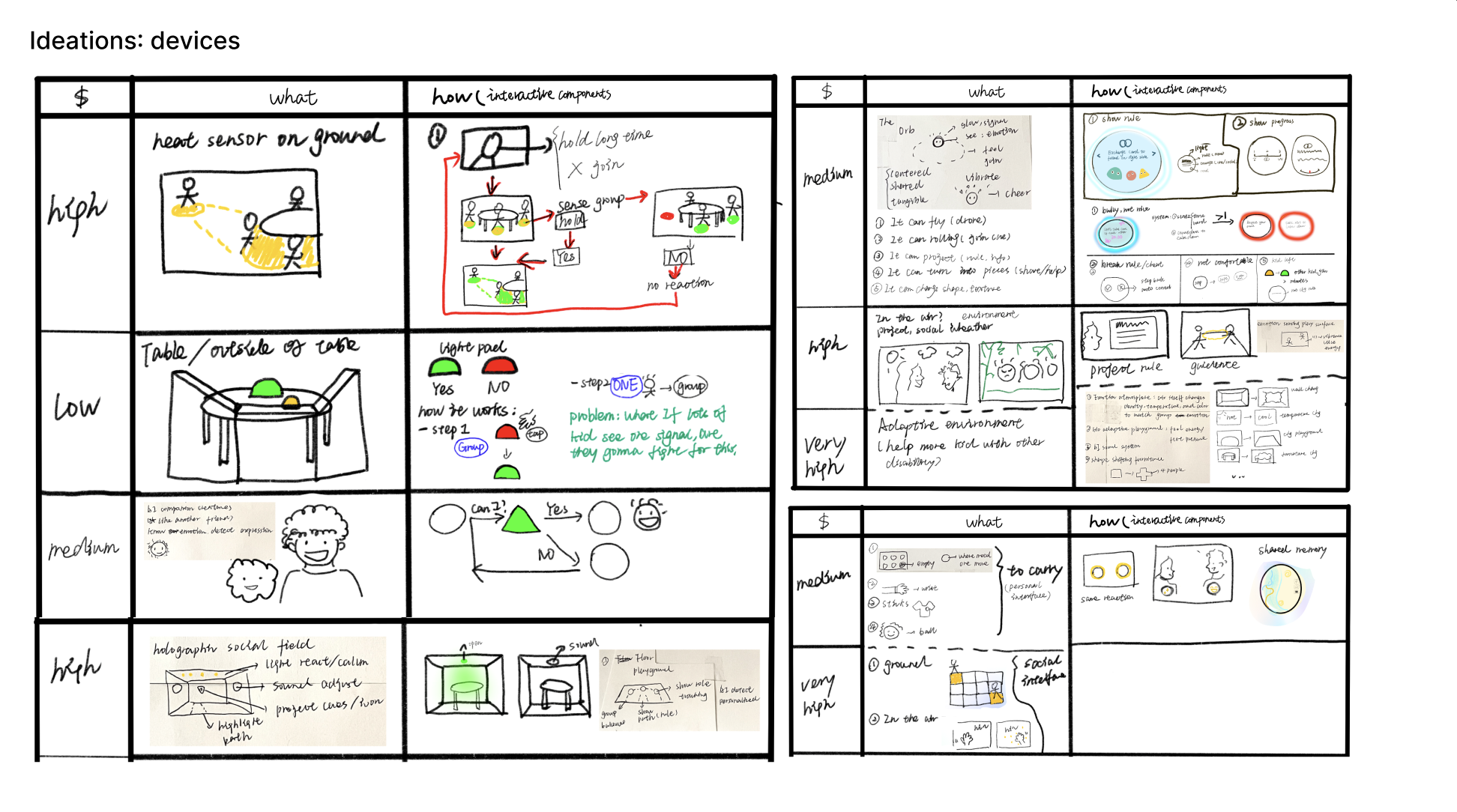
1) Strategic Vision
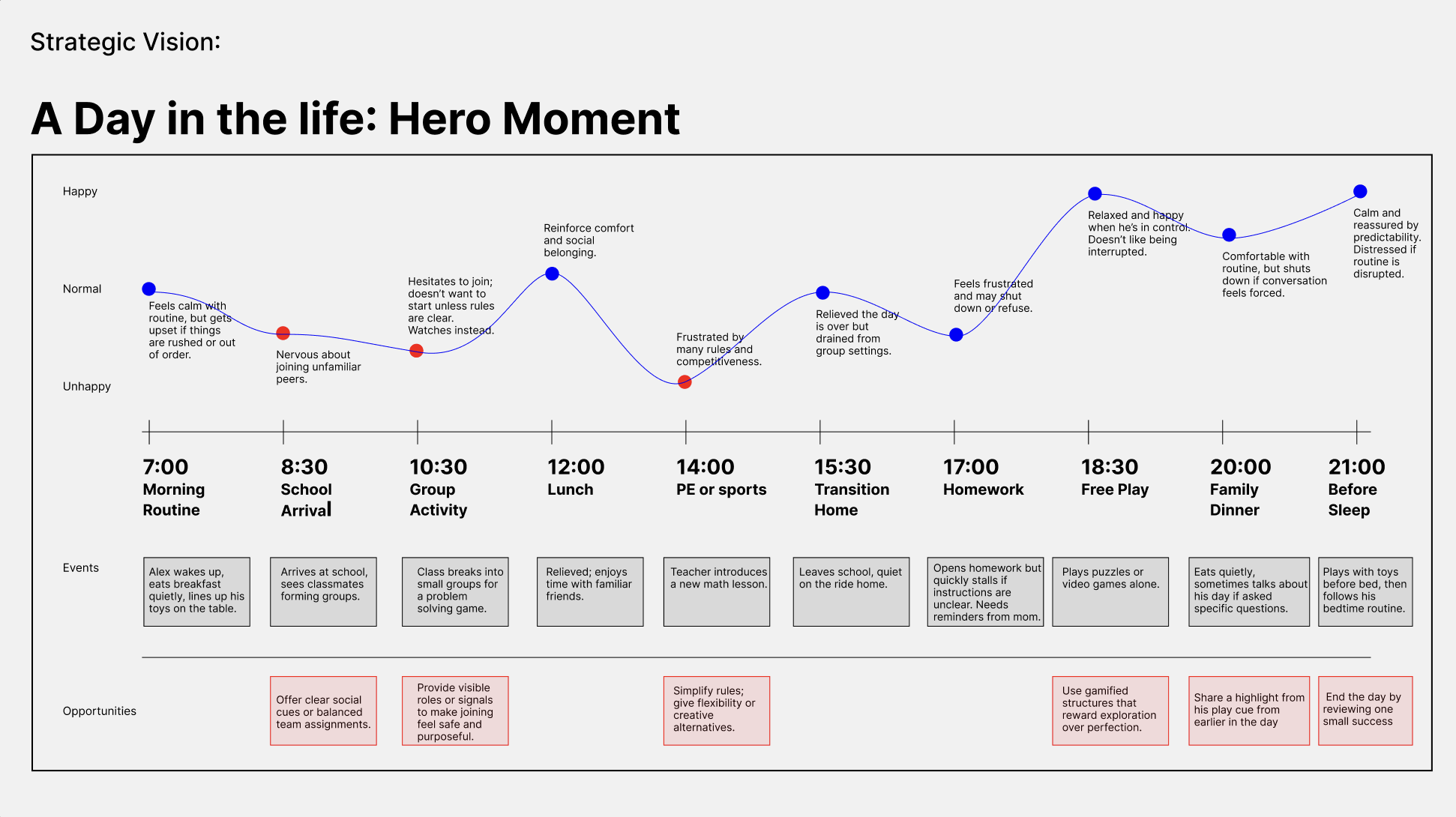
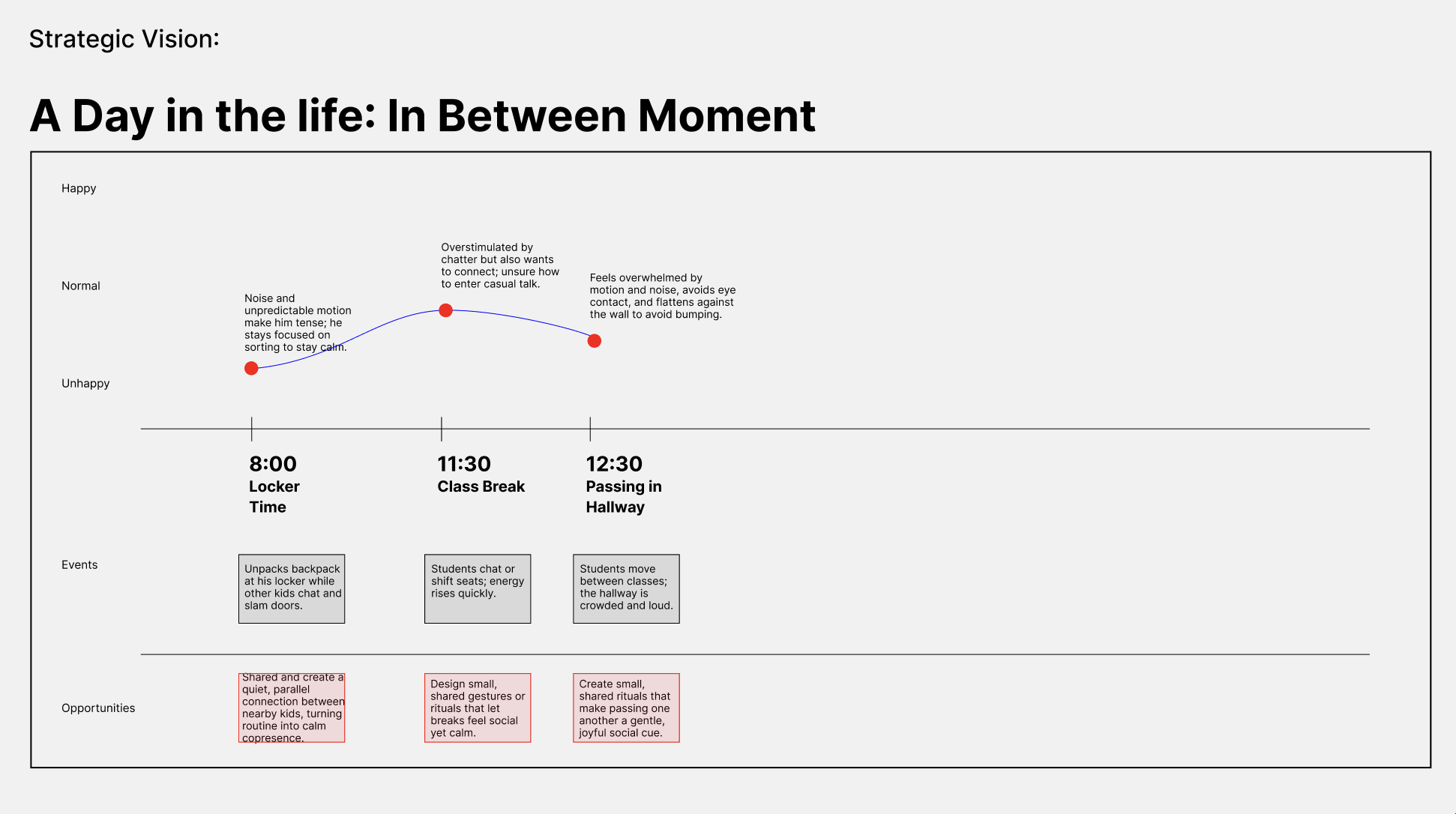
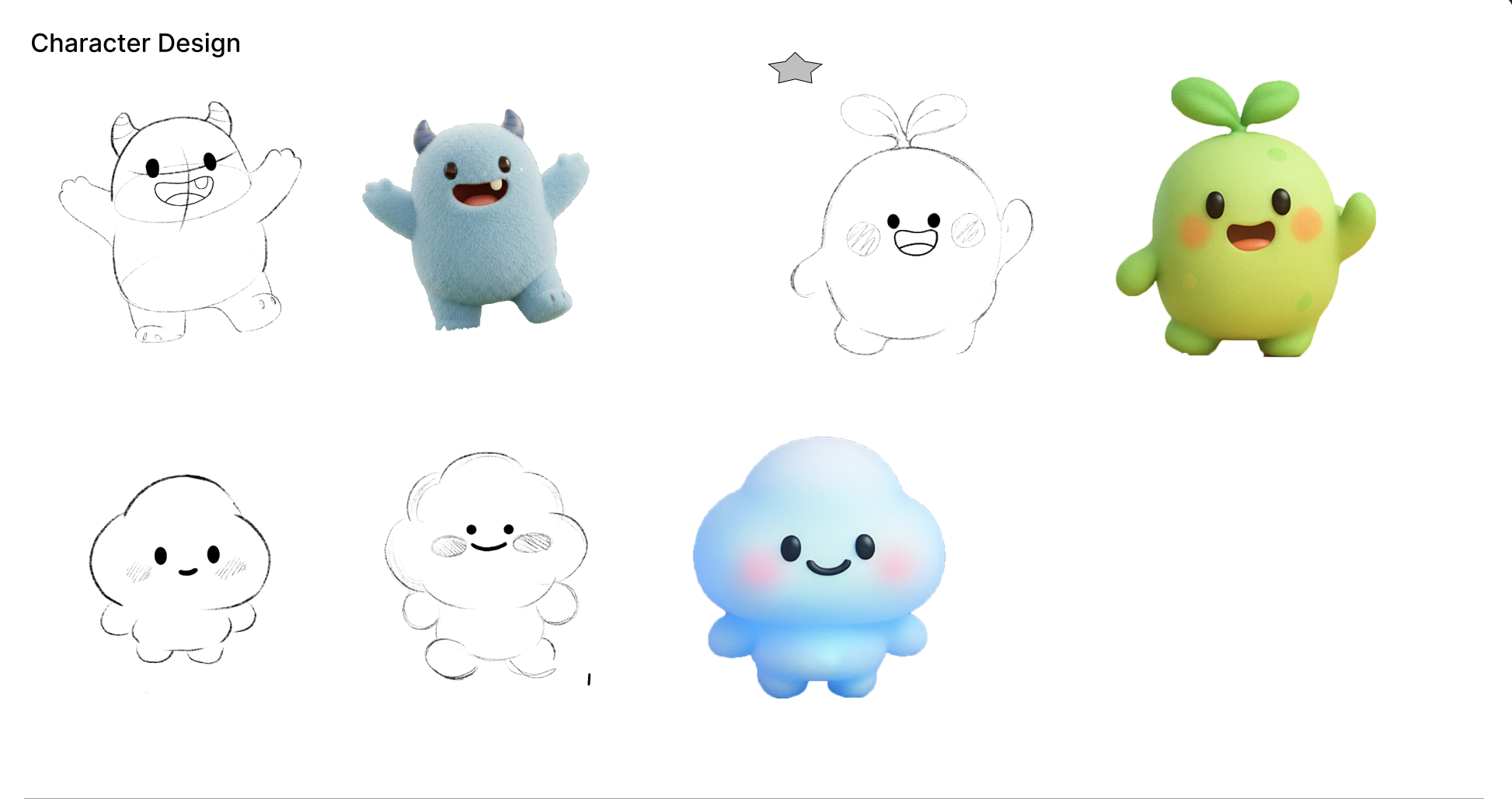
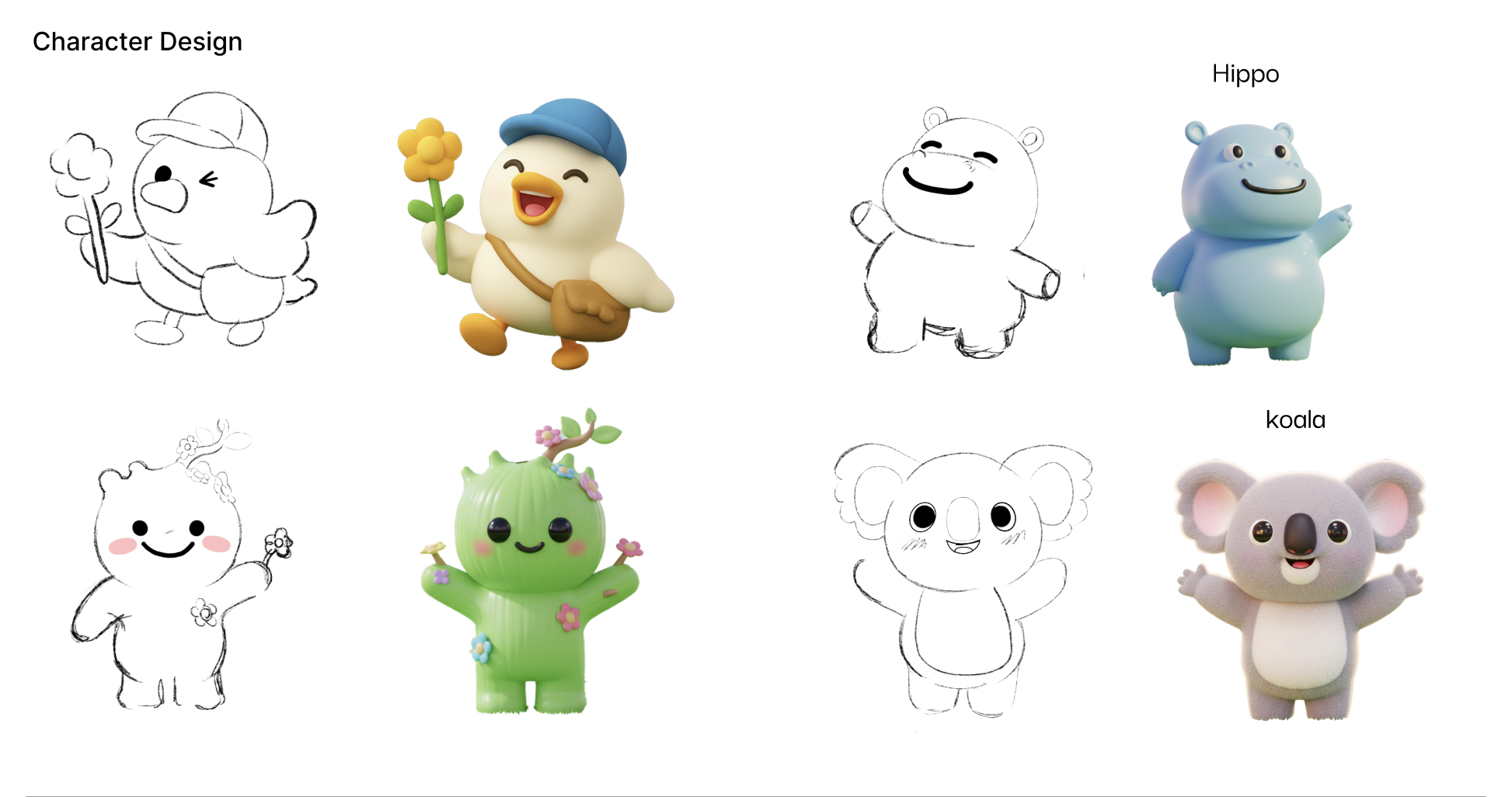
2) Character Design
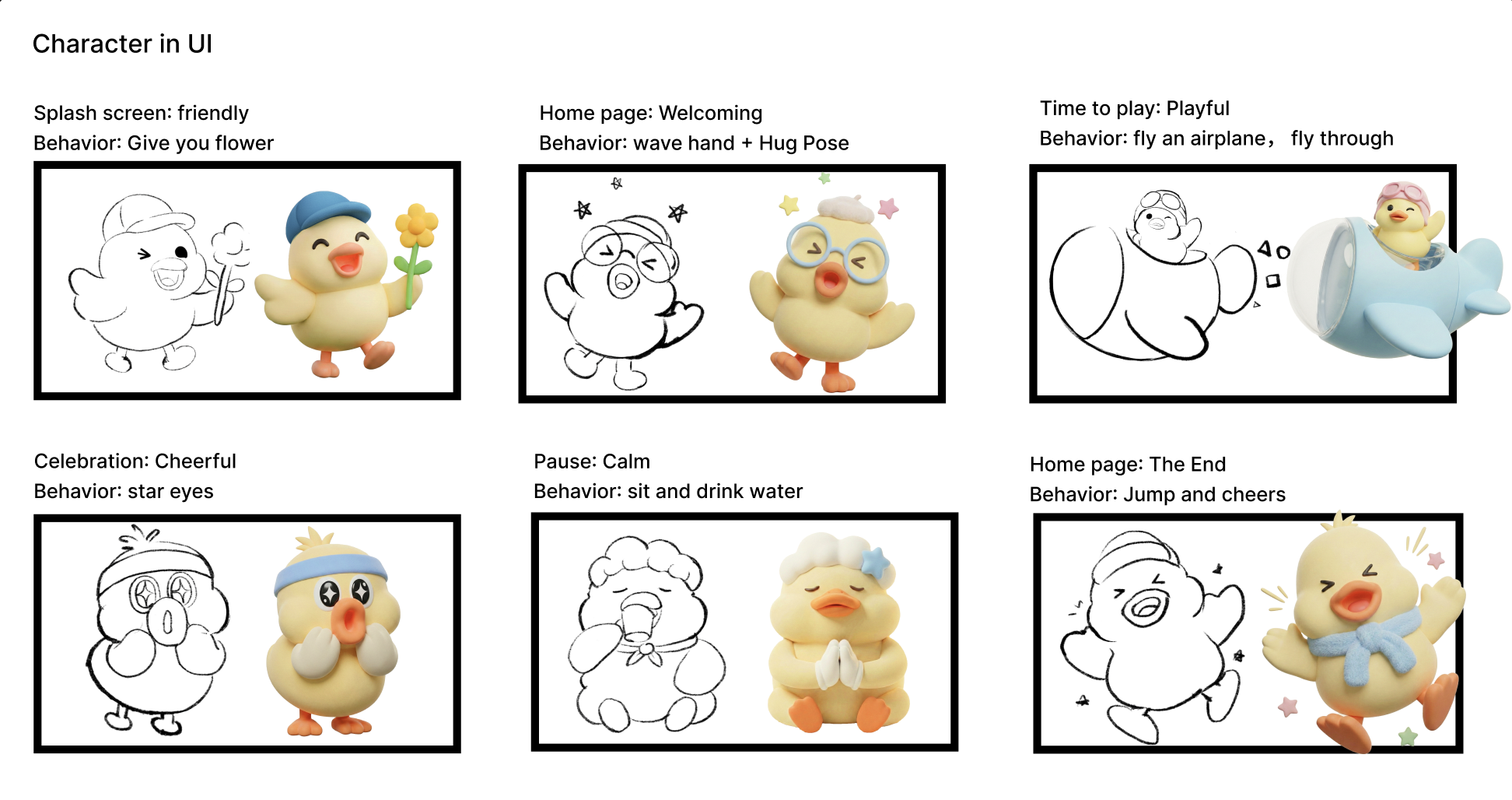
Software: Figma, Photoshop, Illustrator, After Effects, Media Encoder
AI Tools: ChatGPT, Image FX, Gemini, Nano Banana, imagine.art, Picsact, Veo 3, vidnoz
AI Tools: ChatGPT, Image FX, Gemini, Nano Banana, imagine.art, Picsact, Veo 3, vidnoz
AI Disclosure:
I used AI for research support, mockups, 2D→3D character/animation, and video assists. All core design: concept, identity, UI, prototypes, and character sketches, was created by me. Final calls are human made.
I used AI for research support, mockups, 2D→3D character/animation, and video assists. All core design: concept, identity, UI, prototypes, and character sketches, was created by me. Final calls are human made.
* The images and videos only use for educational and non commercial use.